Payment Plans Facilitate Structured Financial Commitments in Everyday Transactions
Taylor Koch · Oct 22, 2026
Payment Plans Facilitate Structured Financial Commitments in Everyday Transactions
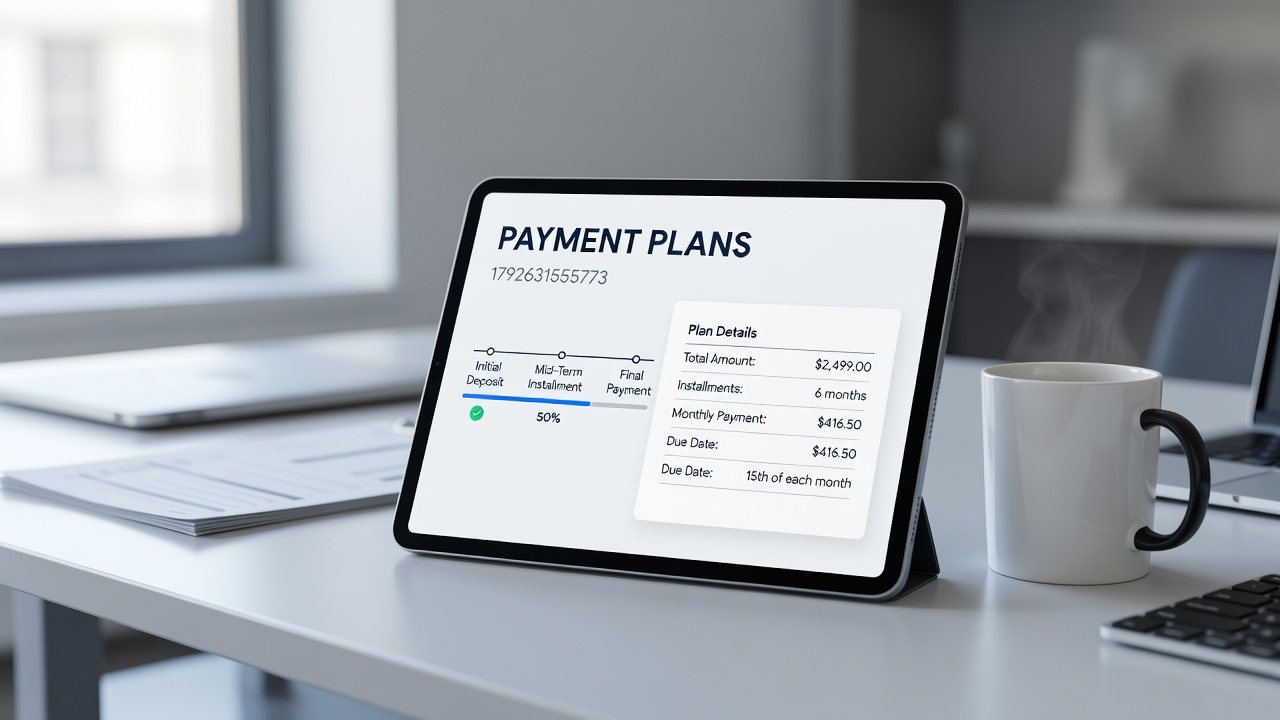
Payment plans organize purchases into scheduled installments that spread costs over defined periods, and they appear across retail, automotive, healthcare, and service industries where providers set fixed terms based on total amounts due. These arrangements typically require an initial down payment followed by recurring charges that align with consumer cash flows, while data from October 2026 shows increased adoption in sectors handling high-value items because automated billing systems reduce administrative overhead for both parties.Core Elements That Define Payment Plan Structures
Interest rates, duration lengths, and eligibility criteria form the foundation of any payment plan, and providers calculate these factors using formulas that factor in purchase size along with applicant income verification. Automated platforms now handle much of the processing through software that pulls real-time banking data, which allows approvals to occur within minutes rather than days, and research indicates that such tools cut processing times by up to 60 percent in high-volume operations.
Fixed installments remain the most common format because they deliver predictability for budgeting purposes, whereas variable structures tie payments to revenue metrics in cases involving freelancers or seasonal businesses. Observers note that contracts often include early payoff options without penalties, and those clauses encourage faster settlement when extra funds become available.
Applications Across Retail and Service Sectors
Retailers integrate payment plans directly into checkout processes for electronics, furniture, and appliances, which lets customers acquire items without immediate full payment. Automotive dealers apply similar models to vehicle financing where monthly amounts cover principal plus any applicable fees, and industry reports confirm that these options expand market reach to buyers who prefer spreading costs rather than using lump-sum methods.
Healthcare providers use payment plans for procedures not fully covered by insurance, setting up schedules that match recovery timelines and income cycles. Educational institutions extend the same approach to tuition balances, enabling students to complete courses while managing ongoing expenses through divided remittances that avoid large single outflows.

Regulatory Frameworks and Compliance Standards
Government agencies establish rules that govern disclosure requirements and interest caps for payment plans, and the Consumer Financial Protection Bureau publishes guidelines that mandate clear term explanations before agreements finalize. Similar oversight exists in other regions where consumer protection laws require providers to outline total costs including any fees, which prevents hidden charges from appearing later in the repayment cycle.
Statistics Canada tracks usage patterns and reports that compliance with these standards correlates with higher consumer retention rates because transparent structures build trust between parties. Providers must also maintain records of all agreements for audit purposes, and automated systems assist by generating compliant documentation that meets jurisdiction-specific formats.
Technology Integration and Automation Trends
Software platforms connect payment plans to accounting ledgers and banking feeds so that adjustments for missed payments or early settlements occur without manual intervention. Machine learning models analyze historical data to predict default risks and adjust terms accordingly, which helps institutions maintain portfolio health while still offering accessible options.
Integration with mobile applications allows users to view remaining balances, upcoming due dates, and adjustment tools in one location, and studies from academic sources show that real-time visibility reduces late payment incidents by noticeable margins. Providers in October 2026 increasingly rely on these systems because they scale across thousands of accounts without proportional increases in support staff.
Conclusion
Payment plans continue to serve as mechanisms that distribute financial obligations across manageable intervals, and their implementation in multiple sectors demonstrates consistent patterns of structured repayment supported by regulatory and technological frameworks. Figures reveal steady growth in adoption as automation handles verification and tracking tasks more efficiently, which supports broader access without altering core contractual principles.